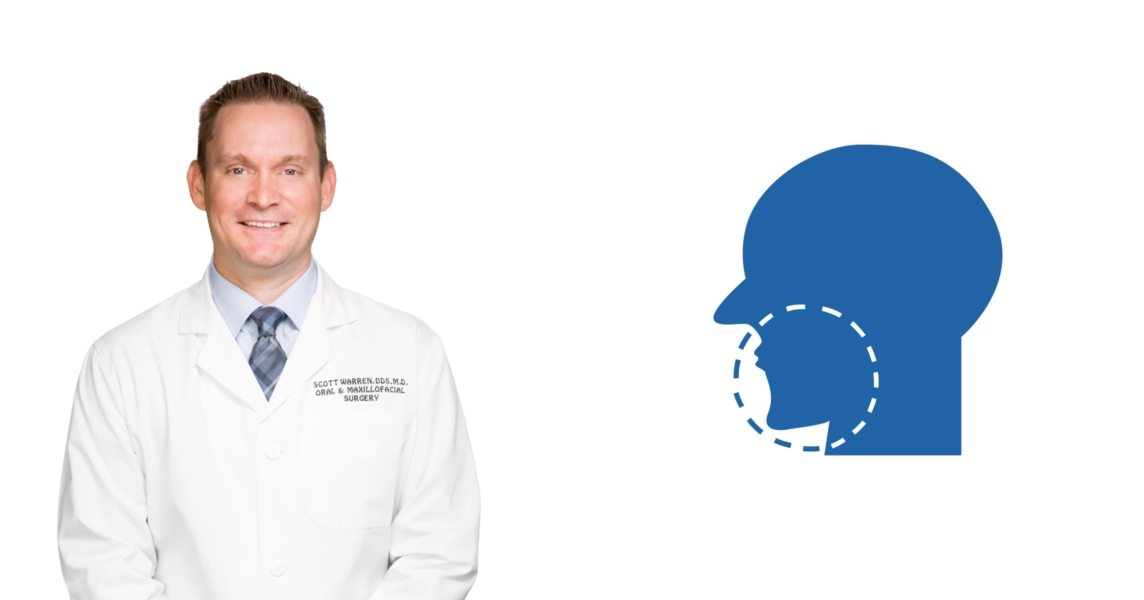




If you are experiencing chronic jaw pain, difficulty eating or breathing normally, or other issues related to your jaw’s alignment, Brazos Oral & Facial Surgery in Waco, TX, may be able to help. Orthognathic surgery, also known as corrective jaw surgery, is an option for patients with severe jaw pain or alignment problems that do not respond to other treatment methods, such as braces.
Jaw alignment problems can contribute to facial pain, tenseness, obstructive sleep apnea, excess wear on teeth, and other problems. In severe cases, jaw pain can make everyday activities like eating and speaking almost impossible. Our oral surgeon, Dr. Scott Warren, offers orthognathic surgery treatments to correct serious jaw problems, and he is trained in all kinds of facial surgeries. Feel free to contact our office in Waco, TX, to learn more and schedule a consultation.
Benefits of Orthognathic Surgery
Orthognathic surgery can help relieve conditions related to TMJ disorders, skeletal disharmonies, sleep apnea, and tooth alignment problems that braces cannot fix. Once the recovery period is complete, jaw surgery patients often experience the following benefits from treatment:
- Better ability to eat and chew food
- Better breathing function
- Decreased chronic jaw or TMJ (jaw joint) pain
- Fewer chronic headaches
- Improved sleep apnea symptoms
- Less likelihood of relapse after orthodontic work
- Improved dental health (less tooth decay/loss)
- More balanced facial appearance
Candidates for Corrective Jaw Surgery
Usually, your dentist, orthodontist, and oral surgeon will try other treatment methods before resorting to jaw surgery. Some of the symptoms and conditions that may require jaw surgery for treatment include
- Chronic jaw pain or headaches
- Open bite or other dentofacial issues
- Protruding lower jaw
- Receding chin or jaw
- Wearing of the teeth over time
- Dental problems
- Inability or difficulty fully closing the lips or teeth
- Sleep apnea
- Mouth breathing
Jaw Surgery Procedure
If you and your treatment team decide that surgery is the best course of action, your procedure will depend on your specific condition. Orthognathic surgery to correct an open bite probably won’t be the same as one meant to correct a receding chin.
In general, most jaw surgery patients will have braces for a while before their procedure. Once the teeth are prepared for their new alignment, an oral surgeon can perform the orthognathic surgery. After administering anesthesia, your oral surgeon will separate the jaw or a portion of the bone and secure it into its new position.
After surgery, you will have a healing period that lasts two or three months. The first couple of weeks will be most difficult, but you will be able to return to a normal routine after a few weeks of rest. Soft foods may still be necessary for two months or so, and full chewing function should return somewhere around the three-month mark. After the healing period is complete, your orthodontist can make any final corrections to your bite using braces.
A two-month recovery time may seem long, but most jaw surgery patients find that the improvements in oral function and feeling are worth the wait. Dr. Warren will discuss the entire treatment and recovery process with you during a consultation appointment to help you determine whether orthognathic surgery is right for you.
Jaw Surgery in Waco, TX
If you need orthognathic surgery, and you live near Waco, TX, contact Brazos Oral & Facial Surgery to schedule an appointment today. Oral surgeons are trained in all sorts of facial reconstructive surgeries, including jaw surgery and Dr. Warren’s unique dual-degree training in both medicine and dentistry makes him highly qualified to evaluate and treat jaw misalignment. One of our staff members will be happy to answer your questions and schedule your consultation with our oral surgeon.